
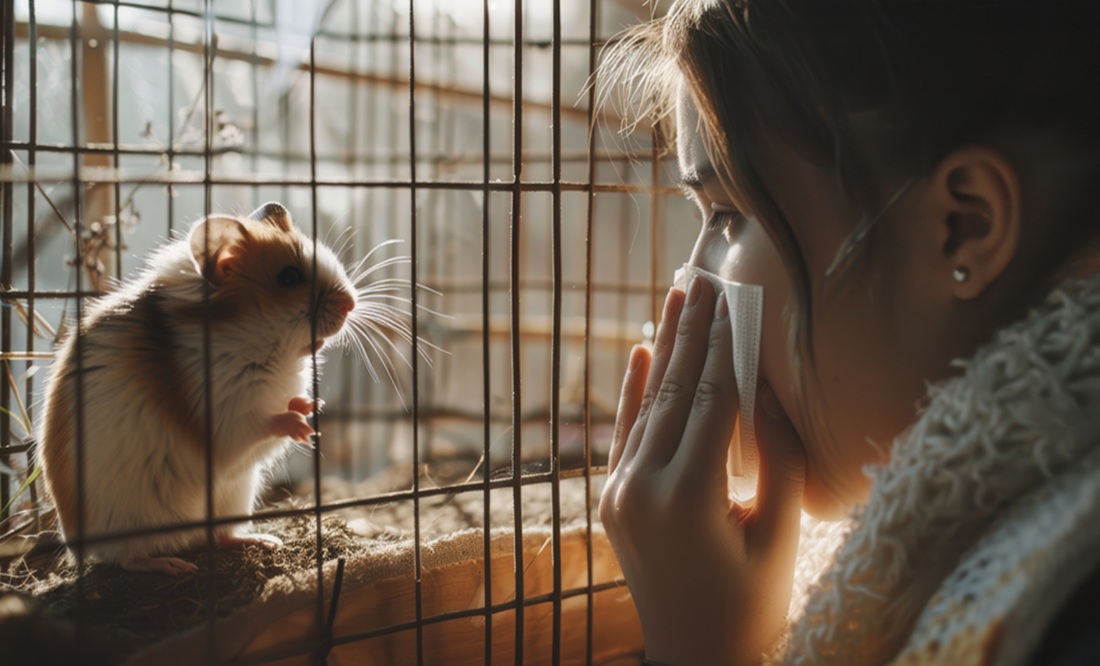
Rodents such as rats and mice are among the most common household pests found in urban and residential areas. While they may seem small and harmless at first, rodents can cause serious problems for homeowners. From damaging property to spreading diseases, these pests pose a significant risk to both your home and your health. Understanding the dangers associated with rodents is the first step toward preventing infestations and protecting your living environment.
Health Risks Caused by Rodents
One of the biggest concerns about rodents is the health risks they bring into homes. Rats and mice carry harmful bacteria, viruses, and parasites that can spread diseases to humans. These diseases can be transmitted through rodent droppings, urine, saliva, or contaminated food and surfaces.
Rodents can spread several illnesses, including:
- Salmonella: This bacteria can contaminate food and kitchen surfaces, causing food poisoning symptoms such as diarrhea, fever, and stomach cramps.
- Leptospirosis: A serious bacterial infection that can spread through rodent urine and contaminated water.
- Hantavirus: A rare but potentially severe disease transmitted through inhaling particles from rodent droppings or urine.
- Rat-bite fever: As the name suggests, this infection can spread through bites or scratches from rodents.
Because rodents often move between dirty outdoor areas and indoor spaces, they easily carry germs into kitchens, pantries, and food storage areas. This makes them a serious hygiene threat in homes and businesses.
Contamination of Food and Living Spaces
Rodents constantly search for food and water, which often leads them into kitchens and storage areas. Once inside, they chew through food packaging and contaminate food supplies with droppings, urine, and hair.

Even small amounts of contamination can make food unsafe to eat. In many cases, homeowners must throw away large quantities of stored food if rodents have accessed the area. In addition to food contamination, rodents leave behind unpleasant odors that can spread throughout the house.
Their droppings and urine can also contaminate surfaces such as countertops, cupboards, and floors. Without proper cleaning and pest control measures, these contaminated areas can become breeding grounds for bacteria.
Structural Damage to Your Home
Rodents have strong teeth that grow continuously, which means they constantly gnaw on objects to keep their teeth trimmed. Unfortunately, this habit often leads to damage inside homes.
Rats and mice may chew through:
- Electrical wiring
- Wooden structures
- Insulation
- Plastic pipes
- Furniture and storage boxes
Chewing electrical wires is particularly dangerous because it can increase the risk of electrical fires. In fact, rodents are responsible for many unexplained house fires each year due to damaged wiring.
Over time, rodent infestations can weaken structural components in walls, ceilings, and roofs. Repairing this damage can become expensive if the problem is not addressed quickly.
Rapid Reproduction and Growing Infestations
Another reason rodents are dangerous is their ability to reproduce quickly. A single pair of rats or mice can multiply rapidly within a short period. Female rodents can give birth several times a year, producing multiple offspring in each litter.
Because of this fast reproduction rate, a small rodent problem can quickly turn into a major infestation. Once rodents establish nests inside walls, attics, basements, or storage spaces, they become more difficult to eliminate without professional help.
Early detection and control are essential to prevent infestations from spreading throughout the home.
Damage to Insulation and Hidden Areas
Rodents often nest in hidden areas where they feel safe and undisturbed. Common nesting locations include attics, wall cavities, garages, and roof spaces. In these areas, rodents tear insulation materials to create nests and shelter.
Damaged insulation reduces the energy efficiency of a home, making heating and cooling systems work harder. This can increase energy bills and reduce overall indoor comfort.
Additionally, nests can block ventilation areas and create unpleasant smells that spread throughout the house.
Signs of a Rodent Infestation
Recognizing the early signs of rodent activity can help prevent serious damage. Some common warning signs include:
- Rodent droppings near food storage areas
- Scratching or scurrying sounds inside walls or ceilings
- Chewed wires, furniture, or packaging
- Greasy marks along walls or baseboards
- Unusual pet behavior around certain areas of the home
If you notice these signs, it is important to take action immediately to prevent the infestation from worsening.

Preventing Rodent Problems
The best way to protect your home and health is to prevent rodents from entering in the first place. Some effective prevention tips include:
- Seal cracks, holes, and gaps around doors, windows, and walls
- Store food in sealed containers
- Keep kitchens and dining areas clean
- Dispose of garbage properly and regularly
- Trim vegetation near the house to remove hiding places
However, if rodents have already entered your home, professional rodent control services are often the most effective solution.
Conclusion
Rodents are more than just a nuisance; they pose serious risks to both your home and your health. From spreading diseases and contaminating food to causing structural damage and electrical hazards, rats and mice can create significant problems if left untreated. By understanding the dangers of rodent infestations and taking preventive measures, homeowners can protect their property and maintain a safe living environment. If the problem persists, seeking professional rodent control services is the safest way to eliminate rodents and prevent future infestations.